What is the Best retail POS systems in Nigeria 2026 is a question every business owner should be asking as competition and operating costs increase.
As competition increases, choosing the best retail POS systems in Nigeria 2026 has become a critical decision for business owners who want better control over sales and inventory.
In 2026, Nigerian businesses can no longer afford to operate without proper systems. Rising competition, complex payment methods, staff turnover, tax compliance, and inventory losses have made POS and inventory management software essential, not optional.
If you’re asking “What are the best retail POS systems in Nigeria in 2026?” you’re already thinking ahead. The right POS system helps you track sales, manage inventory, accept payments, and run your business with clarity — whether you’re operating a small store or scaling across multiple locations.
Many business owners searching for the best retail POS systems in Nigeria 2026 want a solution that handles sales, inventory, and payments in one place.
This guide breaks down the top 5 retail POS systems in Nigeria (2026), what makes a POS system truly effective, and how to choose the right one for your business.
What Is a POS System?
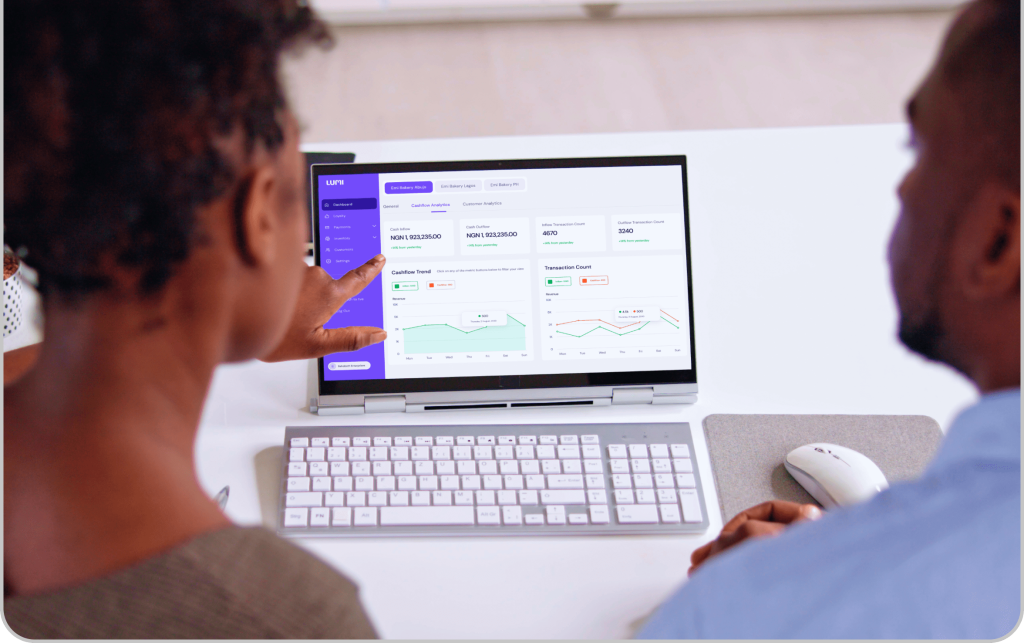
A Point of Sale (POS) system allows business owners to:
- Record and track sales
- Manage inventory and stock movement
- Accept multiple payment types (cash, transfer, card, online)
- Generate receipts, invoices, and reports
Modern POS systems go beyond selling. They support inventory control, staff management, reporting, and customer tracking, whether you sell in-store, offline, or to customers across Nigeria and internationally.
Because businesses differ in size, revenue, tax structure, staff strength, and product types, the “best” POS system depends on your business needs — but some systems are clearly more complete than others.
Do You Really Need a POS System in Nigeria in 2026?
Many business owners still ask:
“My business is too small — do I really need a POS system?”
Most successful Nigerian businesses didn’t wait until they were big before putting systems in place. POS software isn’t just for supermarkets or large chains. It helps small businesses stay organised, reduce losses, track sales accurately, and prepare for growth.
Nigerian entrepreneurs such as Mitchelle Amankona, Reni Folawiyo, and Ashish J. Thakkar consistently emphasise that systems, structure, and technology are critical for scaling businesses sustainably. This mindset is exactly why POS and inventory software matter long before a business becomes “big.”
Best Retail POS Systems in Nigeria 2026
- Lumi Business
- Trace POS
- Stocker ERP
- Odoo
- Uzalynx POS
Feature Comparison: Retail POS Systems in Nigeria (2026)
This comparison highlights the best retail POS systems in Nigeria 2026 based on features, pricing, and suitability for Nigerian businesses.
| Capability Group | Lumi Business | Trace POS | Stocker ERP | Odoo | Uzalynx POS |
|---|---|---|---|---|---|
| Core POS & Sales Operations | ✔️ | ✔️ | ✔️ | ✔️ | ✔️ |
| Inventory & Stock Management | ✔️ | ✔️ | ✔️ | ✔️ | ✔️ |
| Multi-Store & Warehouse Support | ✔️ | ✖️ | ✔️ | ✖️ | ✖️ |
| Advanced Inventory Intelligence | ✔️ | ✖️ | ✖️ | ✔️ | ✖️ |
| Supplier & Procurement Management | ✔️ | ✖️ | ✔️ | ✔️ | ✖️ |
| Advanced Reporting & Business Insights | ✔️ | ✖️ | ✔️ | ✔️ | ✖️ |
| Push Payments & Financial Control | ✔️ | ✖️ | ✖️ | ✖️ | ✖️ |
| Customer, Loyalty & CRM | ✔️ | ✖️ | ✖️ | ✖️ | ✖️ |
| Ecommerce & Omnichannel | ✔️ | ✖️ | ✖️ | ✔️ | ✖️ |
| Industry-Specific Tools | ✔️ | ✖️ | ✖️ | ✖️ | ✖️ |
| User Control & Activity Logs | ✔️ | ✖️ | ✖️ | ✔️ | ✖️ |
| Integrations (Payments & Banking) | ✔️ | ✖️ | ✖️ | ✔️ | ✖️ |
| Ease of Use for Nigerian SMEs | ✔️ | ✔️ | ✖️ | ✖️ | ✔️ |
| Built for Nigerian Business Realities | ✔️ | ✔️ | ✖️ | ✖️ | ✖️ |
Pricing Comparison: Retail POS Systems in Nigeria (2026)
| POS System | Monthly Price |
|---|---|
| Lumi Business | ₦10,700 – ₦32,250 |
| Trace POS | ₦7,500 – ₦25,000 |
| Stocker ERP | ₦10,500 |
| Odoo (POS) | ₦37,500 – ₦55,500 |
| Uzalynx POS | ₦58,500 |
Prices are indicative monthly rates based on available plans in 2026 and may vary by features, users, and number of stores.
How to Choose the Right POS System for Your Retail Business in Nigeria (2026)
Before choosing a POS system, ask yourself:
- Can it track stock, SKUs, suppliers, and low-stock alerts?
- Can it support multiple stores or warehouses?
- Does it work offline in areas with poor internet?
- Does it integrate payments, transfers, and push payments?
- Is customer support reliable and local?
If a POS system ticks these boxes — and goes further — you’re likely choosing the right one.
Why Lumi Business Stands Out in 2026
Lumi Business is a Nigerian-built POS and inventory platform setting an international standard. It combines sales, inventory, payments, reporting, ecommerce, and industry-specific tools into one system designed for Nigerian realities.
Rather than stitching together multiple tools, Lumi Business allows business owners to run everything from one platform — with offline support, multi-store visibility, and deep reporting.
Frequently Asked Questions (FAQ)
What is the best retail POS system in Nigeria in 2026?
The best POS system depends on your business size and needs, but systems like Lumi Business stand out for offering complete features built specifically for Nigerian businesses.
Can small businesses use POS software?
Yes. POS software helps small businesses reduce losses, track sales, and grow with structure — even from day one.
Do POS systems work without internet in Nigeria?
Some POS systems, including Lumi Business, support offline sales and sync data when internet is restored.
Is inventory management software really necessary?
Yes. In 2026, inventory software is essential for controlling stock, preventing losses, and making informed business decisions.
See how Lumi Business works for your business
One Response
As competition rises, having a reliable POS system that integrates payments, sales, and inventory management will be a game changer for many businesses in Nigeria. Do you think there are specific industries or store types that benefit more from certain POS features?