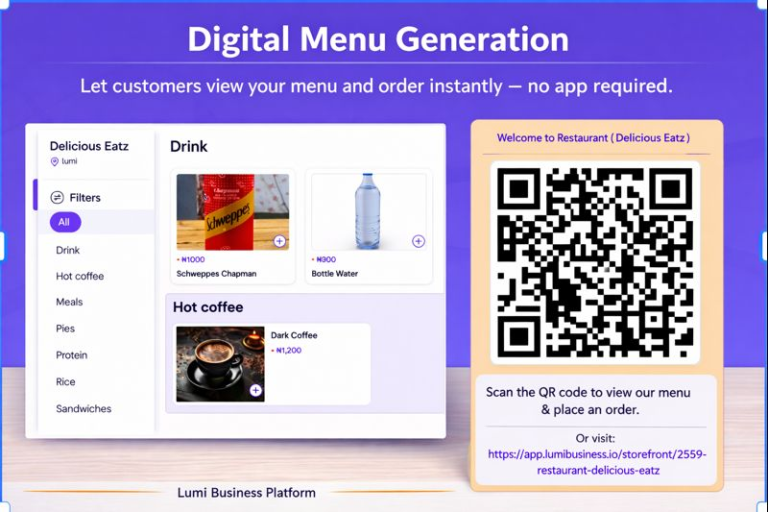
Walk into many modern restaurants today and you’ll notice something missing — printed menus.
Instead, you see a small card (Digital menu for Restaurants) on the table that says “Scan to Order”.
This shift isn’t just about convenience. Digital menu for restaurants have become a smarter way to manage updates, reduce errors, and improve how customers discover and interact with their menu. If you’re still wondering whether to adopt a digital menu, the data is clear: Google reports that most food searches are menu-driven and happen on mobile devices, while industry research shows that digital and QR-based menus are now standard in modern restaurants. For mobile-first markets like Nigeria, digital menus are no longer optional — they are a key visibility and customer-experience tool.
What Is a Digital Menu for Restaurants?
A digital menu is an online version of a restaurant’s menu that customers can access on their phones by scanning a QR code or clicking a link.
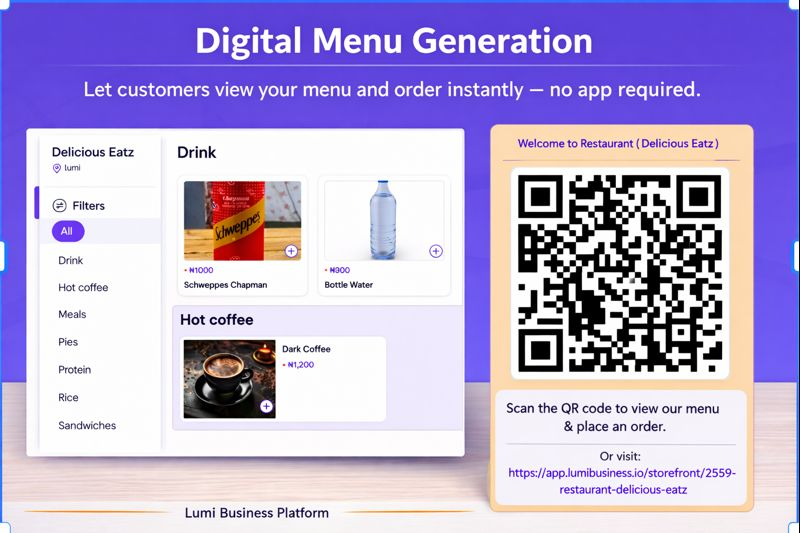
Unlike printed menus, a digital menu for restaurants:
- lives online
- updates instantly
- works across dine-in, takeaway, and delivery
- can be indexed by search engines
Most digital menus today are mobile-first, meaning they are designed primarily for phone screens.
Why Restaurants Are Moving Away from Printed Menus
Printed menus come with hidden problems:
- prices change, menus don’t
- items run out but stay listed
- reprinting costs add up
- menus get damaged or lost
Digital menus solve these issues by allowing restaurants to update items, prices, and availability in real time — without reprinting anything.
How QR Digital Menus Improve the Dine-In Experience
QR-based digital menus change how customers interact with your restaurant.
Instead of waiting for a waiter:
- customers scan the QR code
- browse the full menu instantly
- see item descriptions and prices clearly
- place orders faster
This reduces friction during peak hours and improves table turnover without rushing guests.
Digital Menus and Restaurant Operations
A digital menu is not just a customer-facing tool — it’s operational.
When properly set up, it helps restaurants:
- reduce order errors
- keep pricing consistent across channels
- avoid selling out-of-stock items
- align menu items with kitchen and inventory
This is especially important for restaurants running busy dining rooms or multiple shifts.
Digital Menu and Local Search Visibility
Many customers don’t search for restaurant names — they search for food.
Examples:
- “grilled chicken near me”
- “best jollof rice in Ikeja”
- “restaurants with cocktails nearby”
A digital menu allows your dishes to exist as searchable content online. When menu items are text-based (not just images), search engines can index them — increasing your chances of being discovered.
What Makes a Good Digital Menu?
A high-quality digital menu should be:
Mobile-Friendly
Most customers scan QR codes on their phones. The menu should load quickly and display cleanly without zooming.
Easy to Read
Clear categories, readable fonts, and simple navigation help customers decide faster.
Always Up to Date
Prices, availability, and items should reflect reality in the kitchen.
Shareable
Customers should be able to open the same menu from a QR code, link, or messaging app.
Digital Menu vs QR Menu vs Online Menu
These terms are often used interchangeably, but they’re not the same.
- Digital menu: the menu lives online
- QR menu: how customers access the digital menu
- Online menu: the same menu can be shared on Google, WhatsApp, or websites
The strongest setup combines all three.
How Lumi Business Supports Digital Menus
Lumi Business allows restaurants to create digital menus that:
- are accessible via QR code
- update instantly when products or prices change
- stay consistent across dine-in and online views
- connect directly to ordering workflows
- are clearly categorised by restaurant sections (e.g., Bar, Kitchen, Grill)
- allow customers to place orders online directly from the digital menu
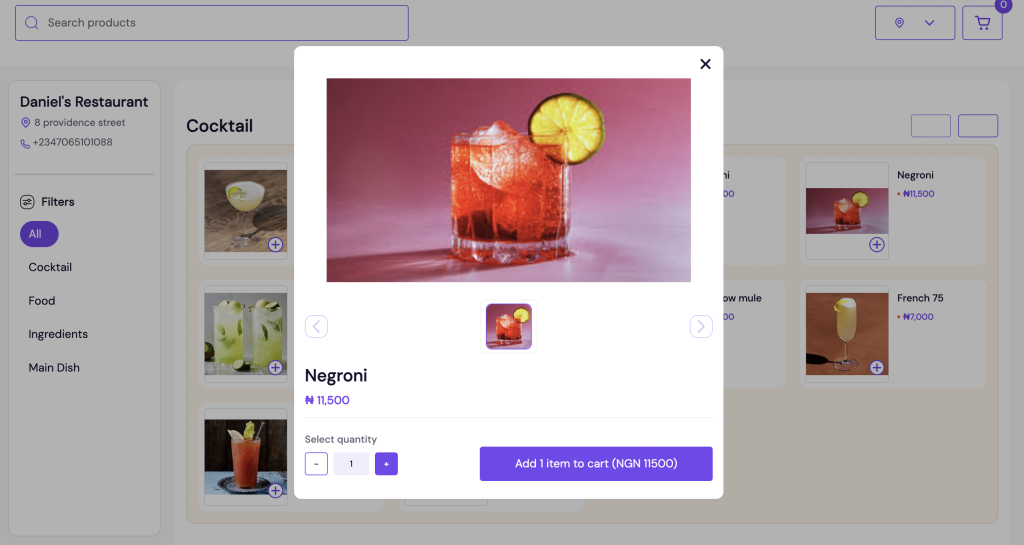
This means the menu customers see always reflects what the restaurant can actually serve.
Who Digital Menus Are Best For
Digital menus are especially useful for:
- busy dine-in restaurants
- bars and lounges
- restaurants with frequent menu changes
- businesses looking to reduce service delays
- restaurants targeting walk-in and local search traffic
Even small restaurants benefit once foot traffic increases.
Common Mistakes Restaurants Make With Digital Menus
- using scanned PDFs instead of text menus
- listing items that are often unavailable
- not optimising menus for mobile screens
- hiding the menu behind login walls
These mistakes reduce both usability and visibility.
Conclusion
A digital menu is no longer just a replacement for paper.
It’s a tool that improves:
- customer experience
- service speed
- menu accuracy
- and restaurant visibility
For restaurants looking to modernise operations without adding complexity, a well-built digital menu is one of the easiest upgrades to make.
One Response
It’s great to see how digital menus are solving real-time updating issues. As someone who has worked in the restaurant industry, I can say that constantly reprinting menus due to pricing or item changes was a huge hassle. The QR code-based system is a smart solution for both businesses and customers.