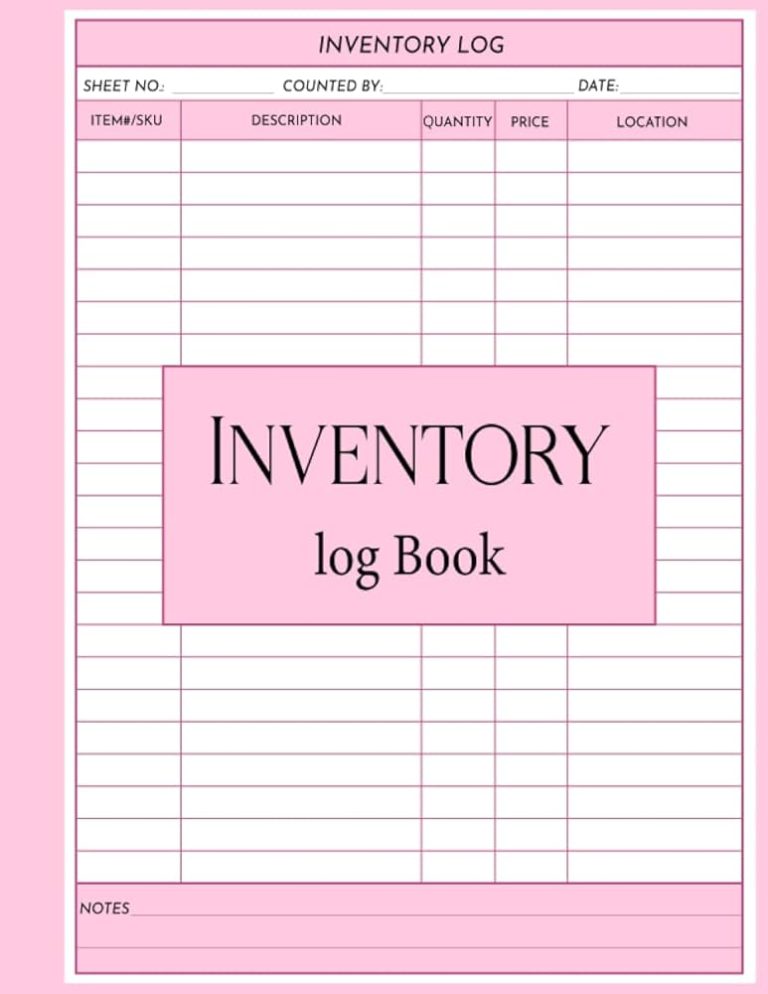
Manual inventory vs POS software is a common comparison for Nigerian businesses trying to save time and reduce stock errors. Many Nigerian SMEs struggle to decide between manual inventory vs POS software as they grow and handle more daily sales.
According to an academic study on Nigerian SMEs, businesses that adopt digital tools and automated systems record higher operational efficiency than those using manual processes.
Inventory tracking has evolved in Nigeria — but many businesses are still stuck using methods that no longer serve them.
From ledger books to exercise books and spreadsheets, manual inventory tracking shaped how Nigerian businesses operated for decades. Today, modern POS inventory systems like Lumi Business promise speed, accuracy, and visibility.
This article clearly compares Lumi Business vs manual inventory tracking to answer one key question:
Which method actually saves more time for Nigerian businesses?
The Evolution of Manual Inventory Tracking in Nigeria
Ledger Books & Stock Cards (1900s – 1980s)
In the early 1900s, Nigerian businesses relied on ledger books to track incoming and sold stock. As operations expanded, stock cards were introduced to manage raw materials and finished goods.
This system worked only because:
- Sales volume was low
- Staff size was small
- Businesses were not multi-location
Exercise Books & Notebooks (1990s – Early 2000s)
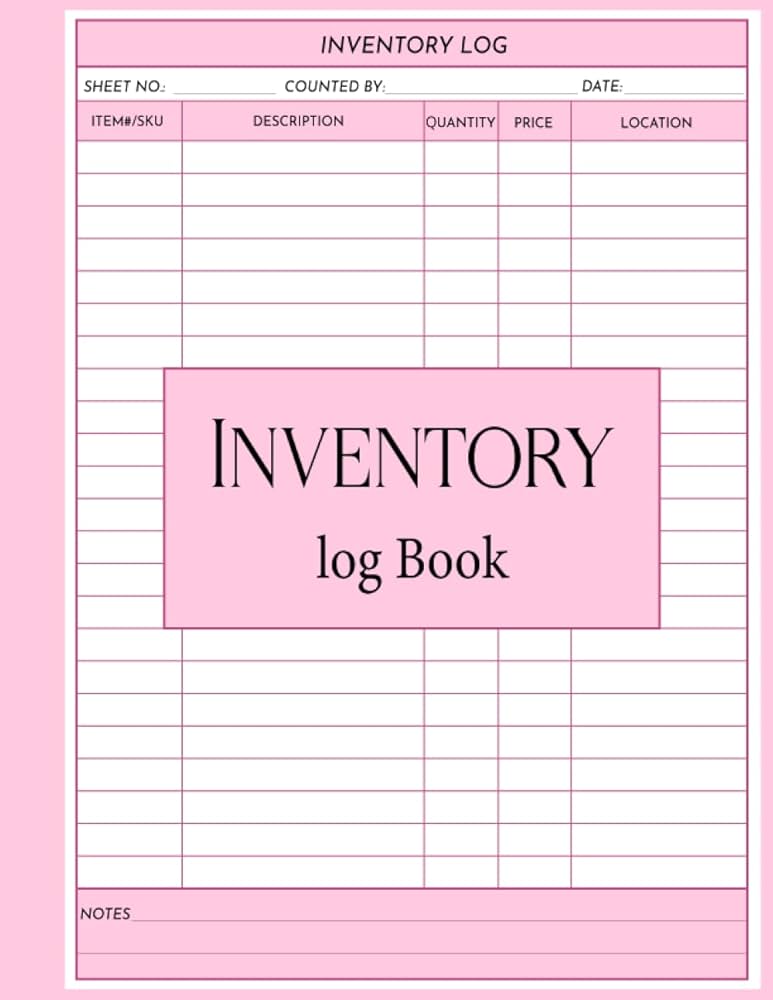
The 1990s SME boom brought boutiques, supermarkets, and pharmacies. Inventory moved into exercise books, creating a single written record.
While more organised, this approach created persistent problems:
- Stockouts due to delayed updates
- Overbuying slow-moving products
- No visibility across staff shifts
- Theft unnoticed for weeks
Many Nigerian businesses still experience these same problems today.
Excel Sheets & Early POS Systems (Early 2000s)
Some businesses adopted Excel spreadsheets and desktop POS systems. Inventory was tracked by SKUs and reconciled periodically.
However, these systems:
- Required constant power
- Were not mobile
- Failed during outages
- Were not built for Nigerian retail realities
As a result, manual tracking remained dominant.
The Shift to Modern POS Inventory Systems in Nigeria
By 2016, real-time and mobile-first inventory systems entered the market. Foreign tools like:
showed what automation could do — but often failed in low-connectivity environments.
This led to Nigerian-built solutions like Lumi Business, designed specifically for local business realities.
Manual Inventory vs POS Software: Key Differences
When comparing manual inventory vs POS software, automation, speed, and visibility clearly favor digital systems.
Time Spent Managing Inventory
| S/N | Lumi Business | Manual Inventory Tracking |
| 1 | Automatic stock deduction per sale | Daily writing and updates |
| 2 | Real-time updates | Frequent physical stock counts |
| 3 | No manual reconciliation | End-of-day reconciliation |
| 4 | Minutes instead of hours | Hours lost weekly |
Accuracy & Error Reduction
| S/N | Lumi Business | Manual Inventory Tracking |
| 1 | Automated calculations | Human errors |
| 2 | Centralised data | Missed entries |
| 3 | Consistent pricing | Inconsistent pricing |
| 4 | Instant discrepancy alerts | Delayed error detection |
Stock Visibility & Control
| S/N | Lumi Business | Manual Inventory Tracking |
| 1 | Live stock levels | No real-time visibility |
| 2 | Staff-level tracking | Difficult staff handovers |
| 3 | Clear audit trails | Hard to trace theft |
Scalability for Growing Businesses
| S/N | Lumi Business | Manual Inventory Tracking |
| 1 | Multi-store inventory management | Breaks down with more staff |
| 2 | Central dashboard | Impossible across multiple branches |
| 3 | Built for expansion | Not sustainable for growth |
Suitability for Nigerian Business Realities
| S/N | Lumi Business | Manual Inventory Tracking |
| 1 | Offline functionality, Syncs when internet returns | Works without power or internet |
| 2 | Designed for Nigerian operation | Extremely slow and risky |
When Manual Inventory Tracking Still Makes Sense
Manual tracking may work if:
- You’re a solo business owner
- You sell very few items daily
- You don’t plan to scale
For every other business, the time cost quickly outweighs the benefit. Manual inventory tracking helped Nigerian businesses survive in the past. But today, it costs more time than it saves.
Lumi Business eliminates:
- Manual counting
- Guesswork
- Late-night reconciliation
- Inventory stress
If your business is growing, Lumi Business saves more time — and more money.
Frequently Asked Questions (FAQs)
What is manual inventory tracking?
Manual inventory tracking involves recording stock movements using notebooks, ledgers, or spreadsheets without automation.
What is the best inventory software for Nigerian businesses?
The best inventory software is one built for Nigerian realities—offline reliability, mobile access, and workflows that scale with growing businesses. Tools like Lumi Business go beyond basic stock tracking by supporting multiple users and stores, automated stock transfers, barcode scanning, bulk product management, supplier and purchase order tracking, end-of-day reconciliation, and intelligent reorder alerts. These features help Nigerian businesses maintain control across sales, inventory, and reporting without slowing down daily operations.
Can I track inventory without internet in Nigeria?
Yes. Lumi Business supports offline inventory tracking and syncs when internet is available.
Is POS software expensive for small businesses?
Most modern POS systems, including Lumi Business, are priced to be affordable for small and growing Nigerian businesses.
Does POS software reduce theft?
Yes. Automated stock deduction and staff activity tracking make theft easier to detect and prevent.
Summary
Feature | Manual Inventory Tracking | Lumi Business |
| Time Efficiency | ❌ | ✅ |
| Accuracy | ❌ | ✅ |
| Theft Detection | ❌ | ✅ |
| Offline Usage | ❌ | ✅ |
| Multi-Store Support | ✅ | ✅ |
| Scalability | ❌ | ✅ |
In the end, the choice between manual inventory vs POS software comes down to time, accuracy, and growth. Manual tracking may work at a very small scale, but it quickly becomes a bottleneck as sales increase and teams grow. POS systems like Lumi Business remove the guesswork from inventory management by automating stock updates, improving visibility, and supporting offline operations tailored to Nigerian businesses. For businesses focused on efficiency and long-term growth, manual inventory vs POS software is no longer a debate — digital inventory management clearly saves more time.