Financial management in Nigeria has become increasingly complex for businesses operating in capital-intensive industries like oil and gas. For companies managing multiple service lines, vendors, and operational expenses, having real-time visibility into income and spending is critical for sustainable growth. Financial management in Nigeria is a growing challenge for businesses operating in complex and capital-intensive industries.
Overview: Managing Complex Financial Operations in a Nigerian Oil & Gas Company
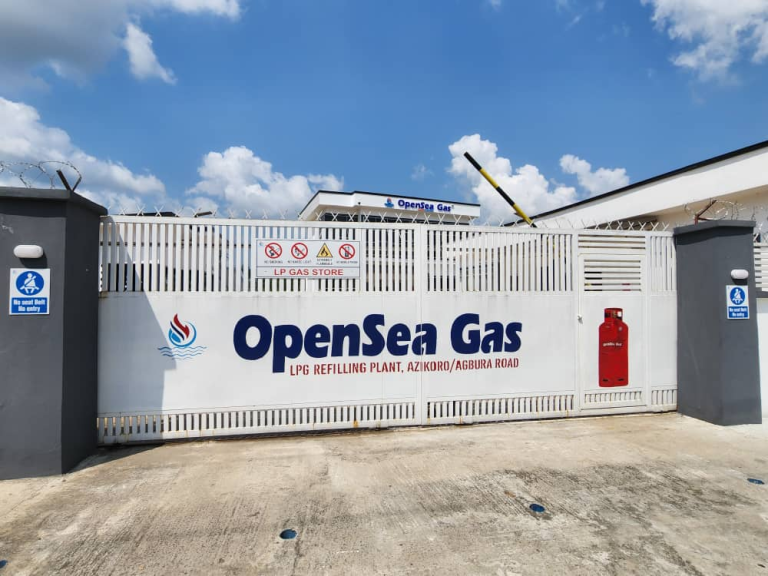
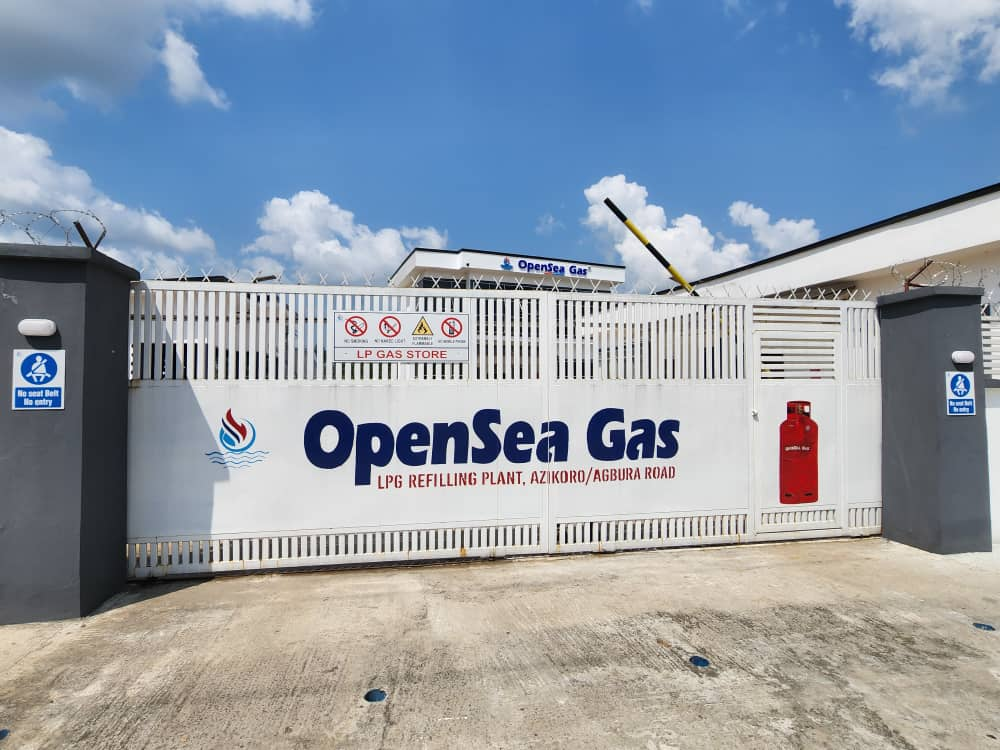
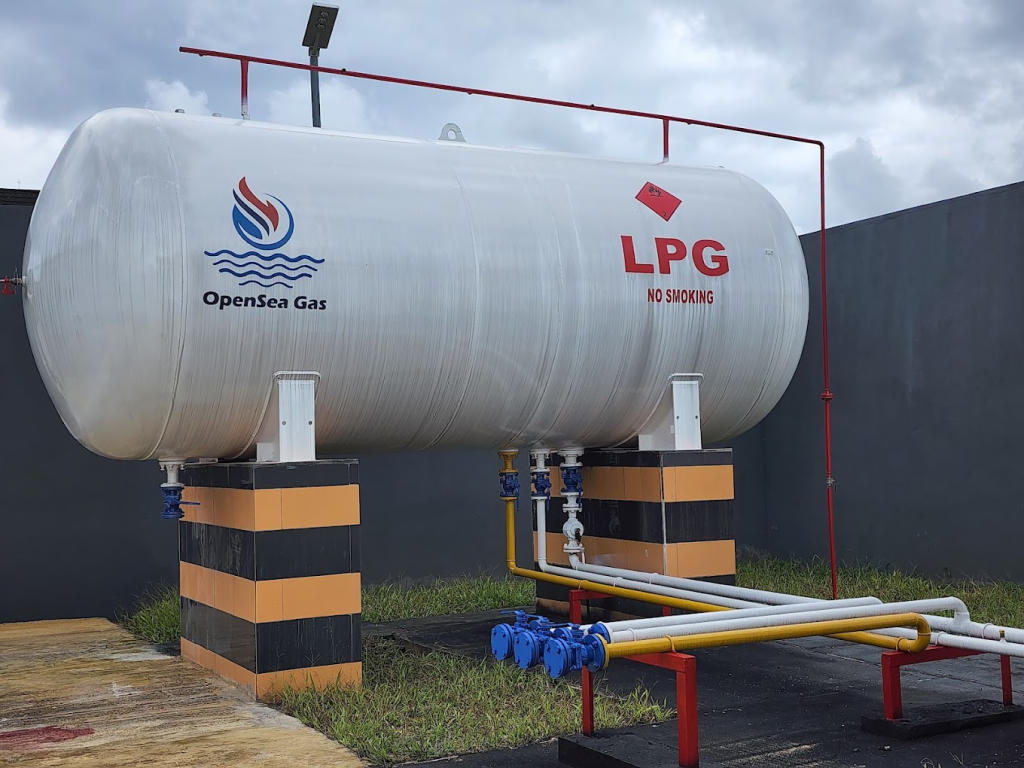
Founded in 2020, OpenSea Oil and Gas Limited is an indigenous Nigerian company operating across multiple service lines, including haulage services, marine logistics, LPG operations, marine equipment procurement, integrated security services, fresh water supply, and shipping services.
For many companies, financial management in Nigeria becomes difficult when expenses, payments, and reporting are handled across disconnected tools.
Operating in the Nigerian oil and gas sector comes with complex financial workflows — multiple vendors, high-volume payments, expense-heavy operations, and the need for strong financial oversight. As OpenSea scaled its operations, managing finances efficiently became critical to sustaining growth and operational safety standards.
The Challenge: Why Basic Payment Platforms Were No Longer Enough
Initially, OpenSea Oil and Gas relied on a popular digital payment platform that offered basic transaction functionality. While suitable for simpler businesses, it struggled to support OpenSea’s increasingly complex operations.
Key challenges included:
Difficulty tracking multiple expense categories across operations
Manual effort required to reconcile payments and expenses
Lack of real-time financial visibility
Time wasted compiling financial data instead of focusing on business growth
As operations expanded, financial management became reactive rather than strategic.
“We needed a more advanced solution to better manage expenses and payment settlements.” — Ayebaekipreye Braah
In industries like oil and gas, poor financial visibility can lead to:
Untracked operational expenses
Cash flow leakages
Delayed decision-making
Increased compliance and audit risks
For Nigerian businesses operating in high-cost environments, real-time financial oversight is no longer optional — it’s essential.
The Solution: Migrating to Lumi Business for Smarter Financial Management
After identifying these gaps, OpenSea began evaluating platforms that could support customized financial tracking, automated insights, and centralized expense management.
Following several demo sessions, the company adopted Lumi Business as its financial management solution.
Why Lumi Business stood out:
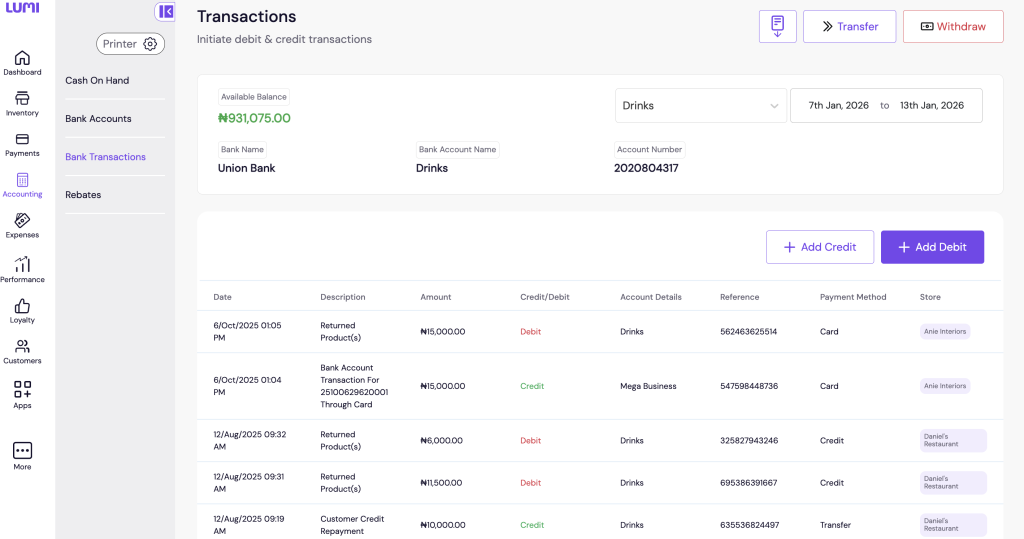
Centralized income and expense tracking
Real-time financial insights
Faster reconciliation of payments
Easy visibility into operational spending
A system built for Nigerian business realities
The migration process was seamless and completed in under one week, allowing the team to transition without disrupting operations.
The Results: Improved Financial Oversight and Operational Control
Since implementing Lumi Business, OpenSea Oil and Gas has significantly improved how it manages and understands its finances.
Key outcomes include:
Real-time monitoring of income and expenses
Centralized visibility into all business expenses
Faster assessment of financial health
Reduced manual computation and reporting effort
One feature that stood out immediately was the ability to view all incurred expenses in one place, something the previous platform could not offer.
“I love that I can view all the expenses incurred in the process of running the business in one place — a great feature that the previous platform didn’t have.” — Ayebaekipreye Braah
What This Means for Growing Nigerian Businesses
OpenSea’s experience highlights a common reality for growing Nigerian companies:
Tools that work at an early stage may not scale with your business. By adopting a centralized system, OpenSea demonstrates how financial management in Nigeria can be simplified with the right technology.
As operations grow more complex, businesses need systems that:
Provide clarity, not just transactions
Support decision-making with real-time data
Reduce reliance on manual tracking
Who This Use Case Is Relevant For
This case study is especially useful for:
Oil & gas service companies in Nigeria
Logistics and haulage businesses
Marine and shipping operators
Businesses with high operational expenses
Companies seeking better financial control without complexity
Frequently Asked Questions (FAQs)
How does Lumi Business help with expense tracking?
Lumi Business allows businesses to record, categorize, and monitor expenses in real time, providing a clear picture of operational spending from a single dashboard.
Is Lumi Business suitable for complex Nigerian businesses?
Yes. Lumi Business is designed to support businesses with multiple operations, vendors, and expense categories common in Nigeria.
How long does it take to migrate to Lumi Business?
For OpenSea Oil and Gas, the migration process took less than one week with minimal disruption to operations.
Can Lumi Business improve financial decision-making?
By offering real-time insights and centralized financial data, businesses can make faster, more informed financial decisions.
Conclusion: From Manual Tracking to Strategic Financial Control
The transition to Lumi Business marked a turning point for OpenSea Oil and Gas. With clearer financial visibility, simplified expense tracking, and real-time insights, the company can now focus more on growth, efficiency, and sustainability rather than manual financial administration.
For Nigerian businesses operating in complex, high-cost industries, this use case demonstrates how the right financial management system can unlock better control and long-term stability.
Ready to gain full visibility into your business finances? See how Lumi Business helps Nigerian companies track income, manage expenses, and make smarter decisions in real time.