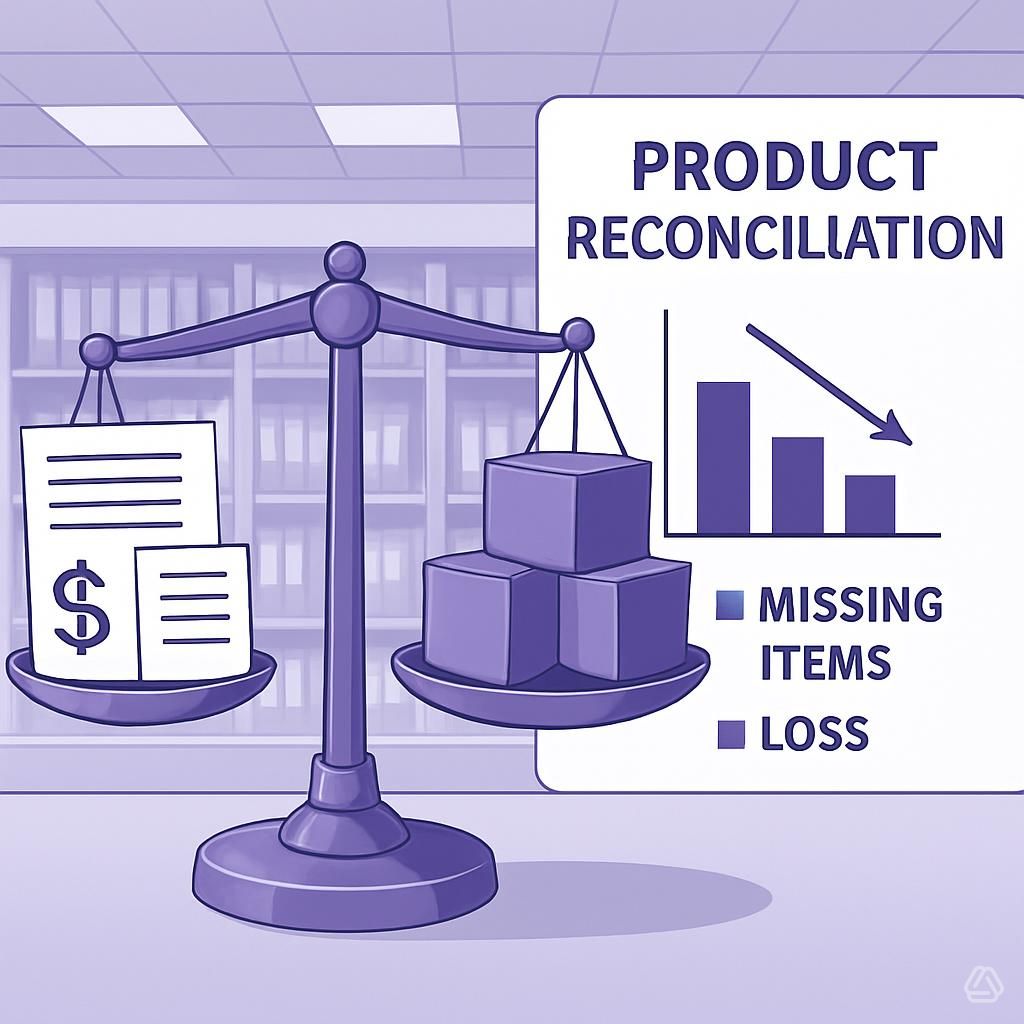
Running a business without regular product reconciliation is like driving with your eyes closed. You may be making sales every day, but if your stock records do not match what is physically on your shelves, you could be losing money without realizing it.
For supermarkets, pharmacies, fashion stores, electronics shops, and growing retail businesses, product reconciliation is one of the most important habits for long-term success.
What Is Product Reconciliation?
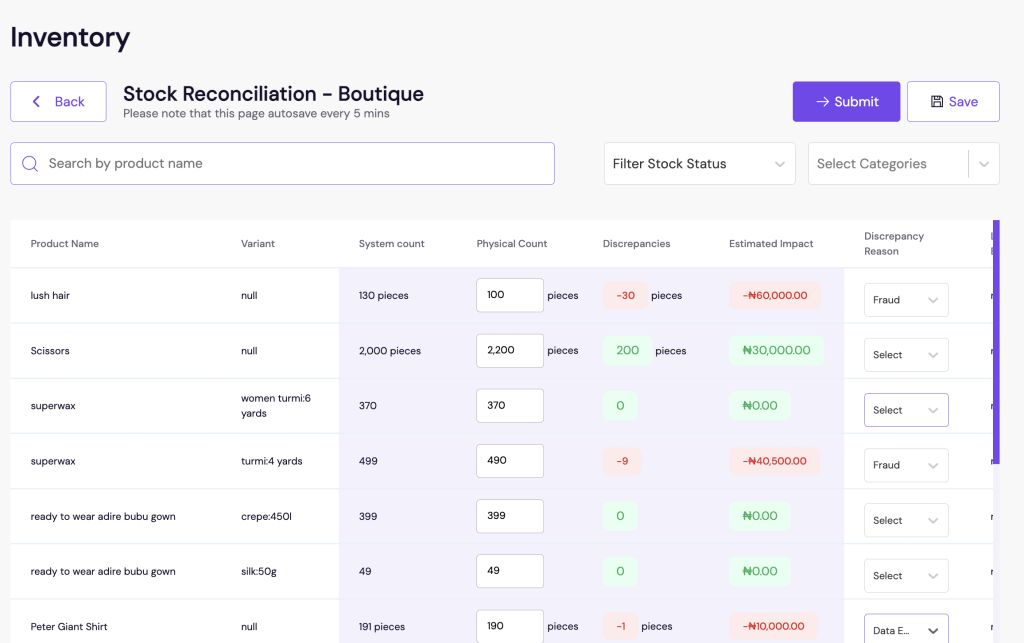
Product reconciliation is the process of comparing the stock quantity recorded in your inventory system with the actual products available in your store or warehouse.
The goal is simple: identify differences and fix them quickly.
For example:
- Your system says you have 25 bottles of water
- Physical count shows only 19 bottles
- That means 6 units are missing and need investigation
These gaps may come from theft, damages, supplier errors, staff mistakes, or unrecorded sales.
Reconciliation Issues in Nigeria
Inventory reconciliation is a real challenge for many Nigerian businesses, especially retailers, pharmacies, supermarkets, and SMEs that still rely on manual records or irregular stock counts.
1. Inventory Shrinkage Is Common in Nigerian Retail
A 2019 empirical study on large-scale retail outlets in Akwa Ibom State found that most outlets were affected by a high rate of inventory shrinkage caused by:
- Shoplifting
- Theft
- Administrative errors
- Fraud
2. Stock Taking and Auditing Directly Reduce Losses
The same study found that respondents agreed these reconciliation practices had strong impact on reducing losses:
- Periodic inventory counts
- Continuous inventory counts
- Counting supplier deliveries on arrival
- Reporting discrepancies between physical stock and records
- Reconciling inventory count to the general ledger
That means businesses doing regular reconciliation perform better than those that do not.
3. Lagos SMEs Still Struggle With Inventory Systems
A 2024 study of SMEs in Lagos found that inventory control techniques, storage systems, and tracking systems all had a significant effect on SME performance. The recommendation was for SME owners to improve use of formal inventory tools.
This suggests many Nigerian SMEs still lose efficiency because of weak reconciliation processes.
4. Manual Record Keeping Causes Errors
A Nigeria-focused stock valuation report highlighted a real case of a small manufacturing company in Lagos that used handwritten ledgers and experienced inaccurate stock records. The report also noted inventory shrinkage from theft and damage among SMEs.
Why Product Reconciliation Matters
1. Prevents Revenue Loss
Missing stock means missing money. If you do not track product discrepancies early, losses can pile up silently.
2. Improves Inventory Accuracy
Accurate stock levels help you reorder at the right time and avoid stockouts or overstocking.
3. Reduces Theft and Internal Shrinkage
Regular reconciliation helps detect suspicious patterns and keeps staff accountable.
4. Supports Better Decision-Making
When your numbers are correct, you can make smarter purchasing and pricing decisions.
5. Builds Customer Trust
Nothing frustrates customers more than being told an item is available, only to find out it is not.
Common Causes of Stock Discrepancies
Many businesses experience stock mismatches because of:
- Manual record keeping errors
- Unrecorded sales
- Supplier shortages
- Damaged goods not removed from stock
- Theft or pilfering
- Wrong product entries
- Returns not updated properly
How to Do Product Reconciliation Effectively
Step 1: Count Physical Stock
Manually count products in your store, shelf by shelf.
Step 2: Compare With System Records
Use your POS or an inventory software like Lumi Business to compare recorded quantities with physical counts.
Step 3: Identify Variances
Check where shortages or excess quantities exist.
Step 4: Investigate the Cause
Was it a supplier issue, staff mistake, expired item, or missing sale record?
Step 5: Update Records
Adjust stock figures to reflect accurate numbers.
Step 6: Put Controls in Place
Train staff, improve processes, and schedule regular check
How Often Should You Reconcile Products?
This depends on your business type:
- Fast-moving stores: Daily or weekly
- Medium-size retail stores: Weekly or monthly
- Warehouses: Monthly
- High-value products: Frequently
Businesses selling expensive items should reconcile more often.
Challenges Businesses Face Without Product Reconciliation
Businesses that ignore product reconciliation often struggle with hidden stock problems that affect daily operations. Inaccurate inventory records can lead to stockouts, causing customers to leave disappointed and buy from competitors. Some businesses may also overstock slow-moving products, tying up cash that could be used elsewhere. Missing items from theft, damages, or supplier shortages may go unnoticed for long periods. Over time, these issues reduce profit, create confusion for staff, and make planning difficult. Regular product reconciliation helps businesses avoid these costly challenges.
Manual Reconciliation vs Automated Reconciliation
Manual Reconciliation
Using notebooks or spreadsheets may work for very small businesses, but it often leads to errors and wasted time.
Automated Reconciliation
Using inventory software like Lumi Business helps you:
- Track sales automatically
- Update stock in real time
- Spot discrepancies faster
- Generate stock reports
- Save time during stock count
Best Practices for Product Reconciliation
- Assign responsibility to trusted staff
- Use barcode scanning where possible
- Reconcile top-selling items more often
- Review supplier deliveries immediately
- Track damaged and expired goods
- Use digital inventory tools
Conclusion
Product reconciliation is not just an accounting task—it is a profit protection strategy. Businesses that reconcile stock regularly operate more efficiently, reduce waste, and grow faster.
If you want tighter stock control, better reporting, and smoother daily operations, investing in the right inventory system can make all the difference.